S’cuse Me While I Kiss This Guy: Blues Lyrics Untangled.


“S’cuse Me While I Kiss This Guy” 
Blues Lyrics Untangled
You didn’t grow up in the Mississippi Delta during the 1940’s. No you didn’t. Shut up. More like the suburbs, with a Schwinn Sting Ray, and a crush on Farrah. 



You are forgiven, therefore, for not catching every nuance of lyric springing from Field Hollers and the Jim Crow South. I’m a little too much into this stuff, so I think I can help.
That Eleven-Light City, Sweet Home Chicago
Believe it or not, that’s sort-of correct. 
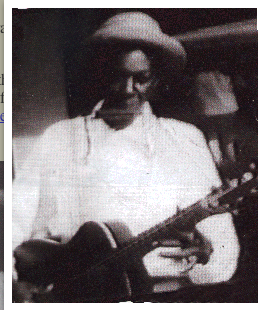
NOT ROBERT JOHNSON
This one’s a mess. In 1927 Kokomo Arnold…
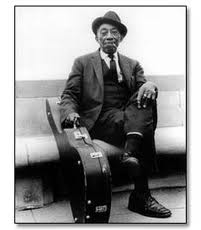


…sang “Eleven-Light City, Sweet Home Kokomo”. In 1937, Robert Johnson’s composition actually contains more references to California than to Chicago. In fact, it may have, as it turns out, nothing to do with the Windy City (stay with me). But Chi-Town has anthemized it. Anthems are no place for lyrical ambiguity. The original lyrics are tricky and mysterious, and, therefore, their use is eroding. 
If your world began in the 80s, you will be confused to hear RJ sing, over and over, “back to the land of California, to my sweet home Chicago” and in the third verse, “I’m going to California, from there to Des Moines, Iowa. 


So what gives? 


Dispensing with the harebrained theory that he didn’t know California from Illinois (he did), we have left some tantalizing possibilities. 
Was the recitation of these various locales an imagined paradise (to oppressed black southerners) all lumped into one? 
Was Johnson, the lyricist, assuming the role of a bullshitting Romeo, trying to pressure his girlfriend into a clearly fictitious road trip?
Was he pronouncing “through” as “troo”? That would be a pretty Chicago-ey thing. Like Joe Pesci in “Casino”. 
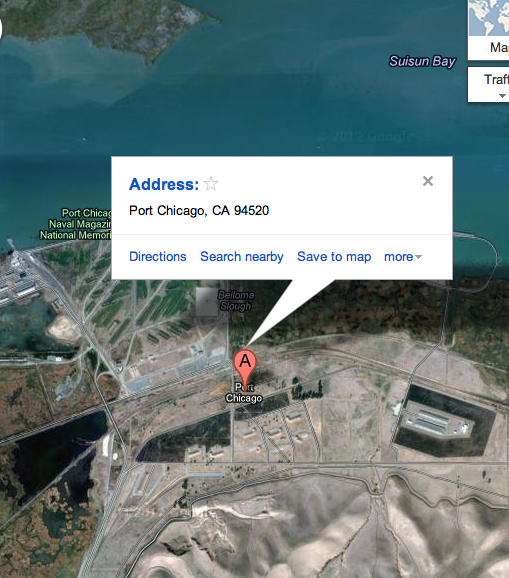
Or, my favorite, (tympani roll), was he was talking about Port Chicago, California, where Johnson had relatives? I like it! Chicagoans won’t, though.

John the Conqueror 

An African folk hero, a legendary enslaved prince, JTC has a hallucinogenic root named after him . 
Willie Dixon preferred the wording “John the Conqueror Root”. Dixon used this in at least three songs; most famously in “Hoochie Coochie Man”. Bo Diddley, on the other hand, went with “John the Conkeroo” in the barroom staple “I’m a Man”. 
In his great boogie, “Who Do You Love?”, the question is not: “Why isn’t it the more correct ‘WHOM’ do you love?”, but, rather, “WHO THE HECK IS ARLENE?!?”  
Let’s look at some numbers: 
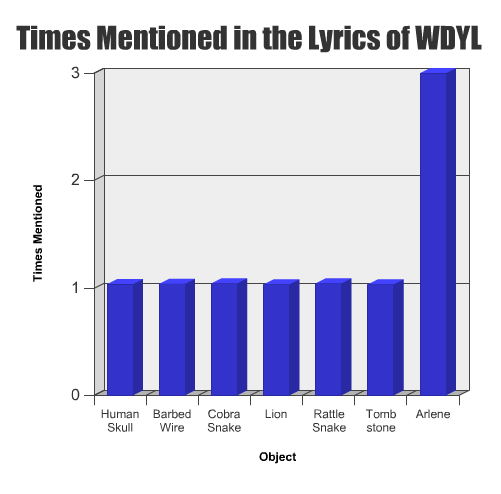


She took him by the hand, she took him for a walk, but she shouldn’t give him no lip. 
We still don’t know who Arlene was. You know who else probably wanted to know who she was? Bo’s WIFE, Ethel Smith. 
Ethel, by the way, was credited with co-writing “Love is Strange”, with Mickey and Sylvia


She didn’t, really, but royalty contracts are peculiar things.
Wang Dang Doodle 
Willie Dixon wrote it, Koko Taylor sang it, with a young Buddy Guy on guitar, and it ran up to #4 on the charts in 1966
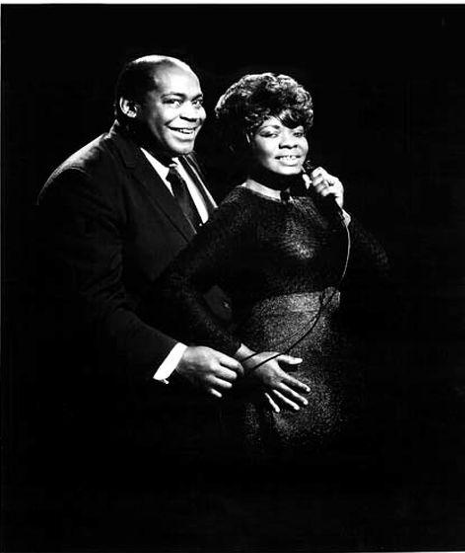

Every suburban blues band in America sings it. If I ever once hear the groove and lyrics done right by a cover band, they’ll have to give me smelling salts. 

The song has the simplest of premises: we’re having a big blow-out, replete with fish scent and snuff juice. But it’s the colorful cast of likely attendees which causes all the lyrical mishaps. 
First off, if I get any say in this, do not UNDER ANY CIRCUMSTANCES invite Butcher-Knife-Totin’ Annie. She makes me very uncomfortable .


Kudu-Crawlin Red? All I could find was this picture of a critter called a Kudu.



But the name no one, NO ONE, has ever gotten right? Abyssinian Ned. Now you know. You’re welcome. 
Got my Mojo Workin’
Somewhere along the line, a terrific live recording of Muddy Waters singing Preston Foster’s 1956 voodoo chant became THE version. Lost to history’s dustbin are Foster’s original references to Black Cat Bones all pure and dry, nor Four Leafed Clovers all hangin’ high. But… you will NEVER see a cover band do this one without including Muddy’s Yosemite Sam-like BRRBRRBRRBRRBRRBRR. The other detail worth examining is the line “Goin’ down to Louisiana, get me a mojo hand* Gonna have all you women…” 
What? 
As a kid, I went with “Gonna have all you women retching like a man.” Hey, I was young. And high. I now believe it’s “Gonna have all you women right here at my command” with “right here” pronounced like “ryche eer”. Hey, he was from Mississippi. And, regrettably, he changed the original “I’ve got some red hot tips keeping here on ice” to “whole lotta tricks… on ice”. I pray I’m never in a band that works this up, but if we do, we’re going with “hot tips”. I just hate bands that think they’re this 
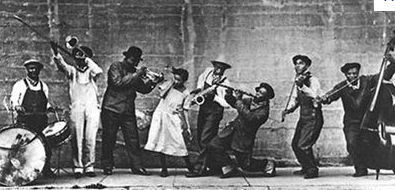

but are really this.


What lyrics have you scratched your head over? Leave ‘em in the comments. I’d like to make fun of you. 

* Mojo hand: A detached, deformed hand, or a piece of dried monkey. I don’t make up the news, I just report it. 

Beep Beep Mmm Beep Beep YEAH!

The Fabs didn’t grow up car crazy. 

England isn’t a car culture the way Southern California (Or Texas)  is, and they didn’t have the money. At first, Mal Evans drove them everywhere in a crummy van with no heater. 

John had no driver’s license until 1965. 

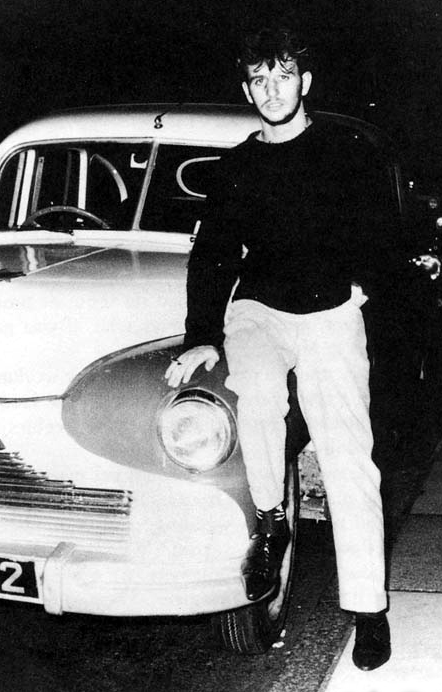
Ringo had a Ford Zephyr for hauling drums 


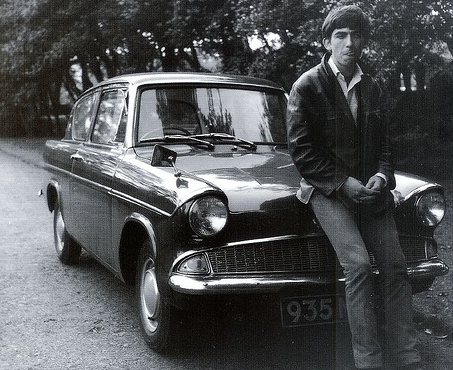
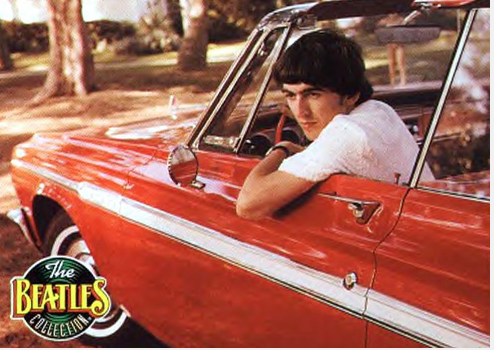
Apparently, George had a Ford Anglia pre-fame 
Hey, they were Ford guys, like me! 


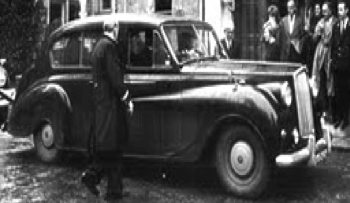
By their early 20s, they were millionaires. The First Order of Automotive Business was a band limo. What’s an Austin Princess?


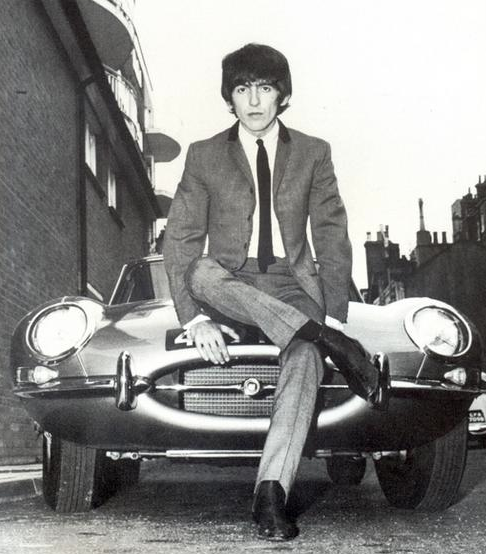
George swapped his Anglia for a Jag


Then he bought a second Jag, this one an E-type


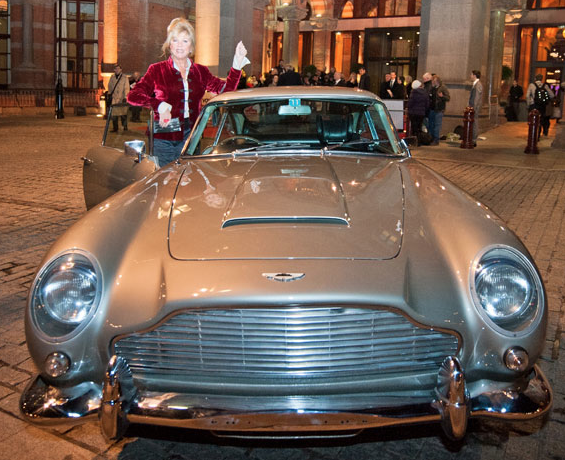
And, since being the lead guitarist for the Beatles and driving an E-type Jag wasn’t cool enough, he bought an Aston Martin DB5


Ringo nearly missed an Indianapolis gig when the local coppers treated him to a few race laps around the speedway. Time got away from them, so they screamed along in a flotilla of cruisers, in the nick of time for downbeat.

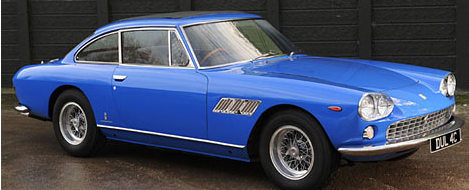
Meanwhile, at the Lennon household, John passed the exam, and word hit the wires that he was looking for a car. A fleet of Swinging London’s Baddest Rides were presented for consideration. Blind as a bat, and having barely learned to drive, he made the sensible choice. 

A Ferrari.


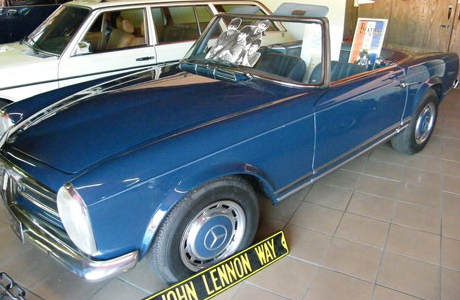
Later that year, he acquired a snazzy Benz roadster


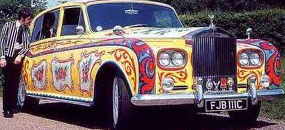
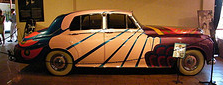
Predictably, the young, newly moneyed Brit bought a Rolls. Like the Chuck Berry song, “No Money Down”, he specified a double bed, a fridge, a TV, a phone (#Weybridge 46676), and decades ahead of the “Pimp my ride” guys, he got it “Murdered out” in matte black paint. Bored with that by 1967, he painted it psychedelic. He might’ve been high.


The car was later brought to the States where John and Yoko donated it to the Smithsonian for a $225,000 tax credit. 


John must’ve liked limousines. He had a ’56 Bentley 


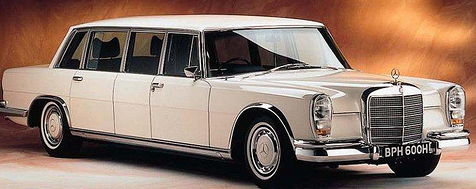
And one of those super-cool, mile-long Mercedes limos. When he moved to the states, this one transferred to George


“Meeting a man from the motor trade” 

-She’s Leaving Home

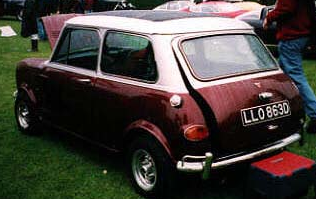
That lyric actually refers to Terry Doran, who partnered with Brian Epstein on a Mini Cooper dealership. Eppy ordered four Minis spruced up with wood, wool, and leather interiors; power windows(!); a sunroof; and custom bumper and light treatments. Ringo used his, believe it or not, to carry drums


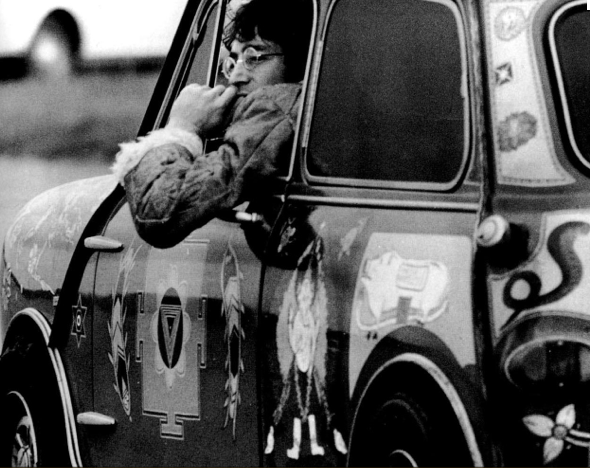
while George painted his all crazy, and loaned it to John


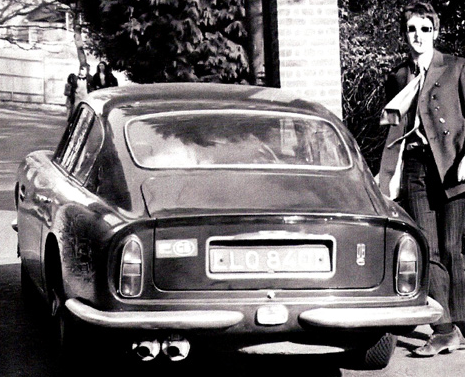
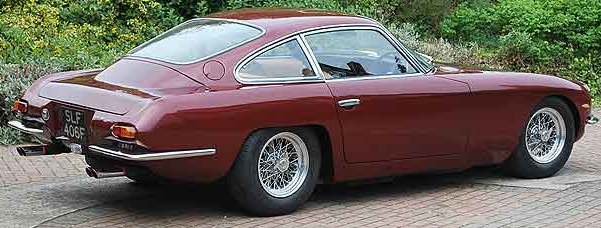
McCartney developed elegant taste overnight: fine art, the Theatre, and cars like this Aston


and this Lamborghini 


Here’s Paul’s Mini…


…which he later totaled. 

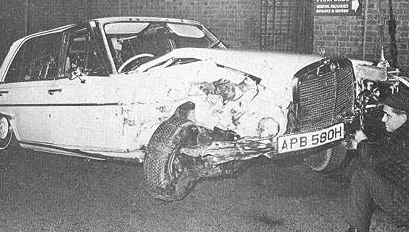
Speaking of mishaps, as a superfan of Beatle music, I’m glad that the Germans build ‘em sturdy.
Here’s George’s  


Here’s Ringo’s


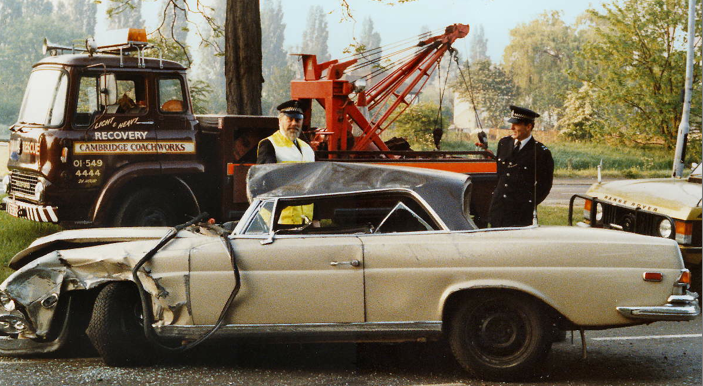
It’s not German, but here’s John’s boo-boo

When the Lennons relocated to America, John brought over an old Hearse, and had it outfitted with airplane seats. He might’ve been high.
Californians: Look for it on the road, it’s got the license plate “EMAJUN”. 


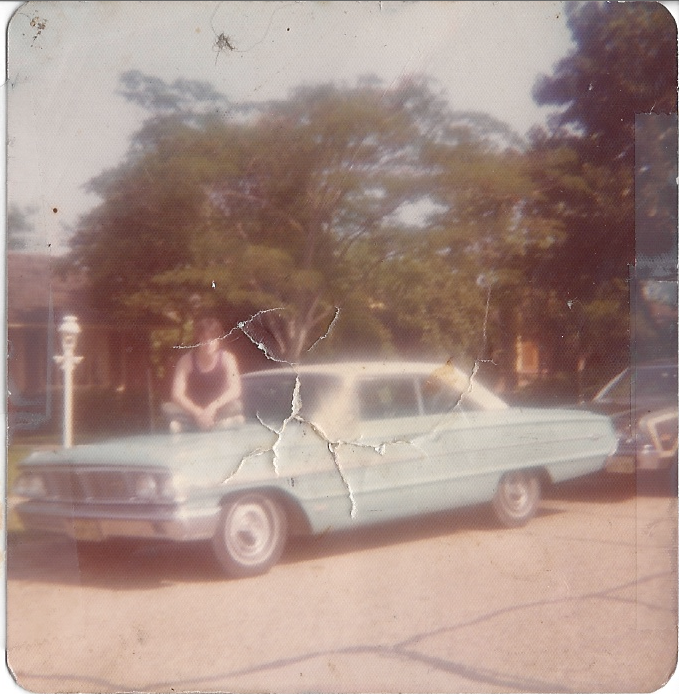
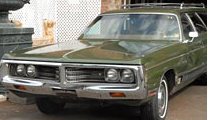
I like big crazy old station wagons (You can see the grille of my mom’s 1974 Gran Torino Country Squire in the above photo of my Galaxie 500). John must have, too, because he bought this for rolling around incognito


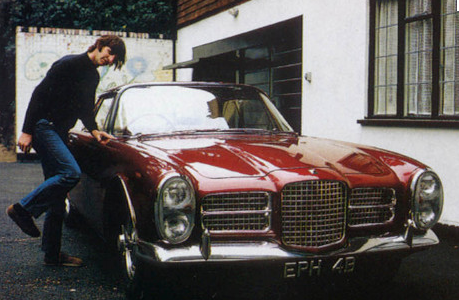
Ringo’s taste was all over the place, from Facel Vega …


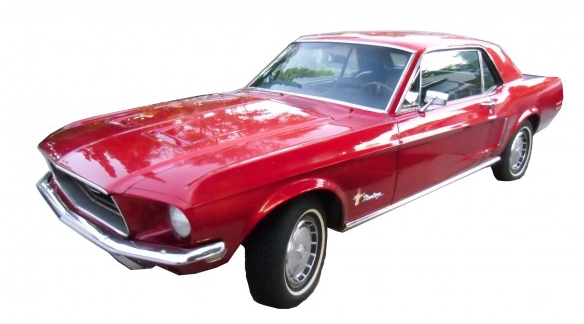
…to a not-very-collectible Mustang 


George was the real car guy. 


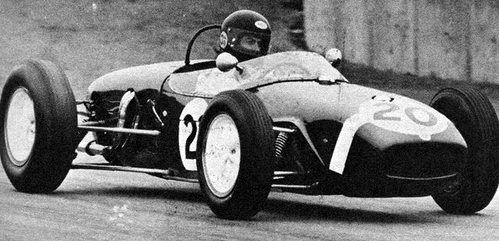
Race cars, really (That’s actually him).


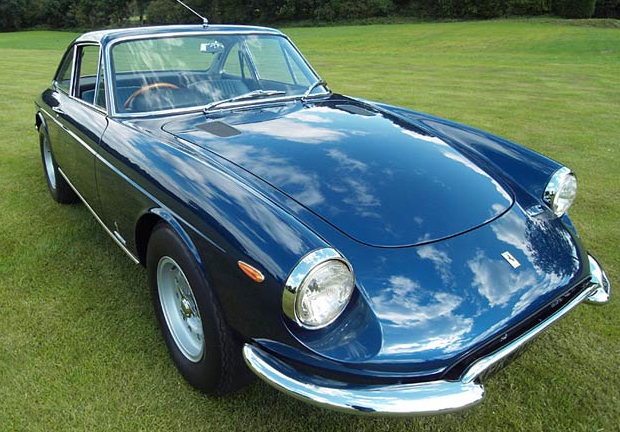
Ferraris as daily drivers 


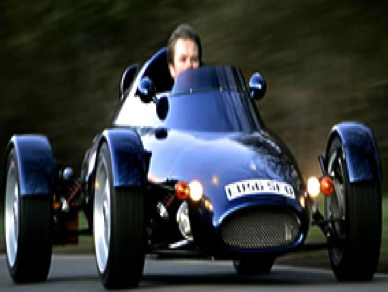
and even as investing partner in a “hypercar


AFTERWORD: McCartney has lent his name to Lexus Hybrids for environmental reasons; Ringo was recently spotted by our friends at AMagicalHistory Tour in Beverly Hills driving a Mercedes sedan; John’s last car was a 1979 tan Mercedes station wagon; and I like to think of George’s last car as the McLaren used by the “Threetles” in the Anthology videos. 

10 Swingin’-est Tour Buses EVER

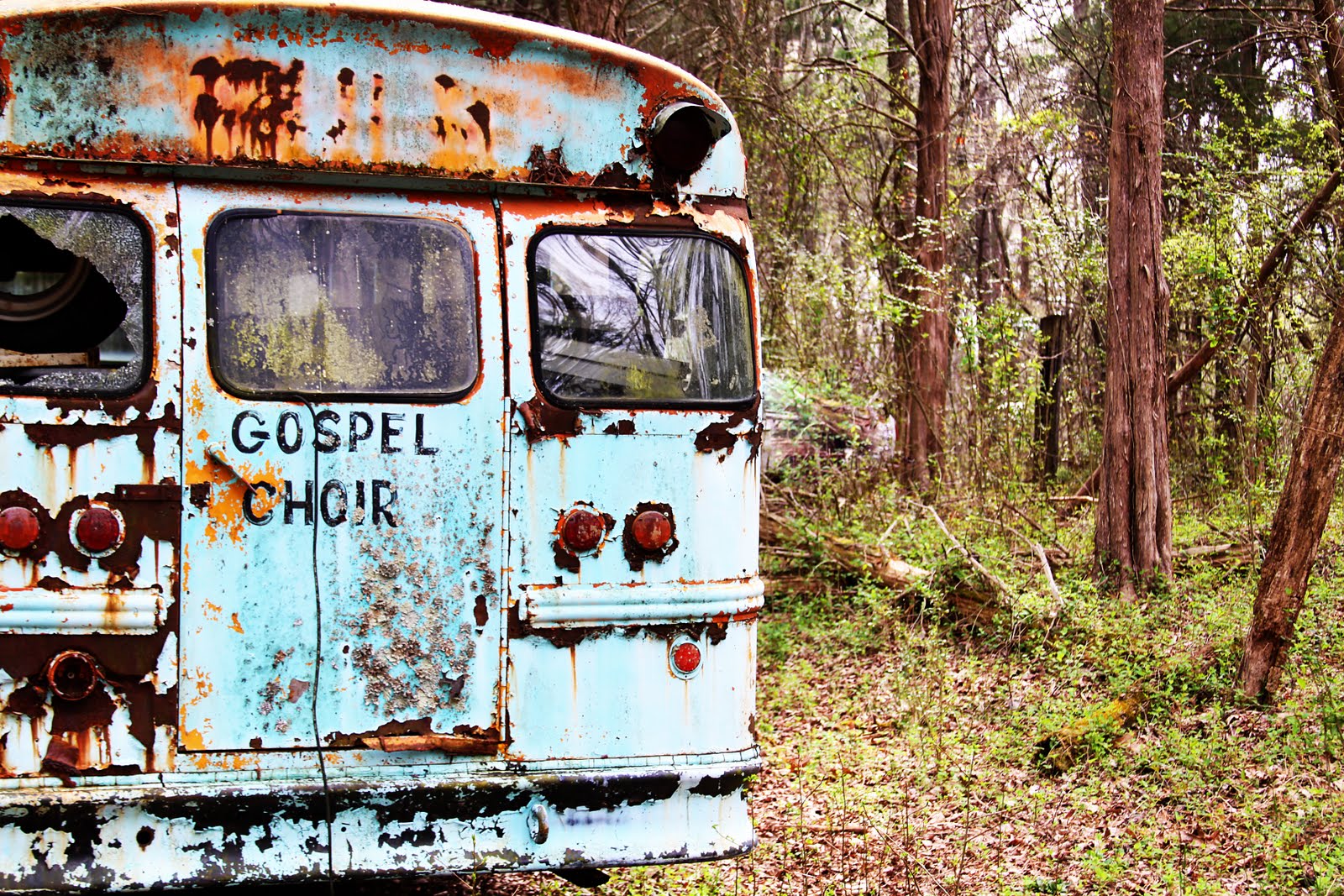
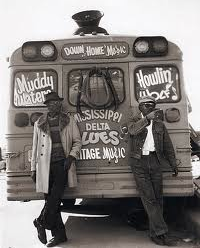
The earliest Tour Buses for musicians were the tent revivals in the South. 
Those familiar with the details of the period know that there were various good reasons these folks needed to get out of town quickly and efficiently. 


“I want to take a ride in
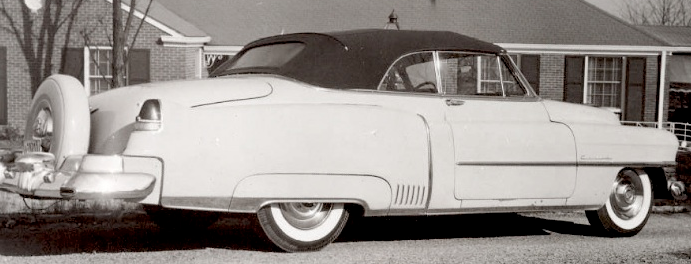
 the car Hank Williams died in”


Wow. Just-Wow.


Elvis drove his own. 
He was a truck driver from way back,
and he kept odd hours anyway.


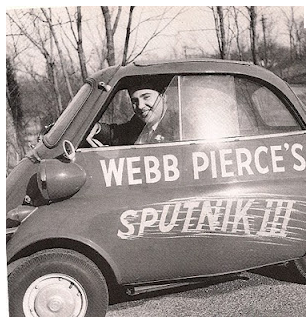
Um… couldn’t find anything on this Isetta, but, in trying to, I found this about Webb Pierce:
        “The strangest record Webb Pierce  made in his attempt to regain chart dominance was a 1956 attempt to merge two trends, one the maudlin child snuff ballad, a musical genre that has thrived in country music since its earliest days,  and that peculiar trend– the “wop song”, which are tunes done in a strange stereotyped Italian accent similar to that of Chico Marx…”
Information courtesy of The HoundBlog, http://thehoundblog.blogspot.com/2010_09_01_archive.html 


I don’t know the story on this. But I want to.


Willie Nelson’s bus. Highway Roadkill is a constant concern. 
From the smell of things, this ‘un hit a skunk. 


Roll up for the mystery tour… will this EVER be released on DVD?


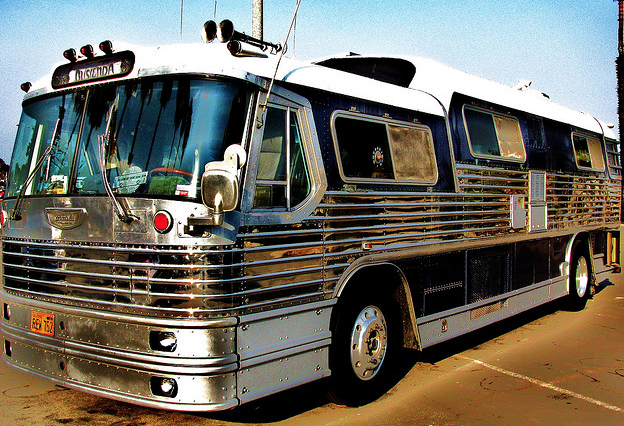
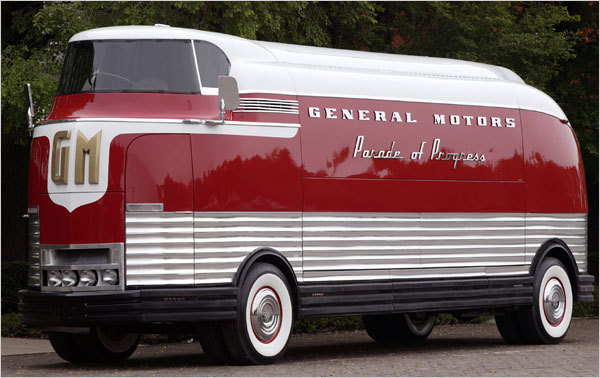
My fave. 12 of these caravanned the US in 1939 to spread the message. 
I’m unclear on WHAT message, exactly, but this is the baddest thing on wheels, EVER!!!! Contemporaneous youtube here 


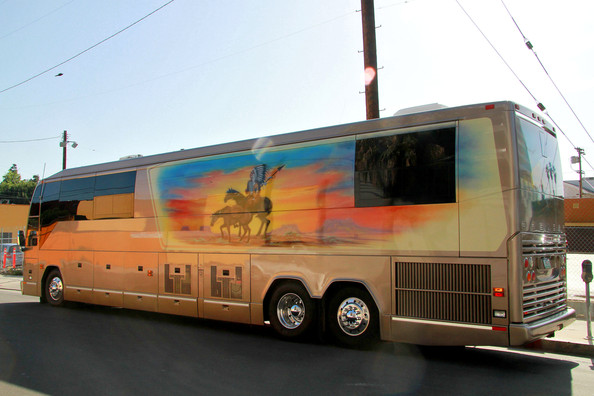
Witchy Woman vs The Indians

Eagles – Witchy Woman (Link to “Live in Japan” video.)

They say that a guy who shines shoes for a living walks around all day, and notices nothing but shoes. Similarly, a musician listening to the radio hears nothing but his instrument of choice. I’m what some call a “Rhythm guitarist”, so I always listen for the John Lennon parts and the Keith Richards chords (note: on most Stones records, Keef clips the big E string of his guitar, and tunes the 5 strings remaining to an open G chord, as in the intro to “Honky Tonk Women”).


 It’s a peculiar way to go through life, I grant you, but ,on the bright side, it does make crappy pop singles more interesting to dissect. I was in that dreamy headspace when my beloved 70’s station (Mesquite’s KEOM, staffed entirely by high school students born 20 years after most of these records were made. Weird.) played  the first hit single by what I’m told is The Biggest Band in the History of Civilization, The Eagles. I’m pretty much in The Big Lebowski camp regarding the works of Henley, Frey,  Leadon, Schmidt, Felder, et. al., but the song came on, and I listened.
Witchy Woman. So, this broad not only has raven hair and ruby lips, but it is reported that sparks fly from her fingertips. This turd was a hit ten years prior to the birth of MTV, yet I dimly recollect seeing it in some sort of primeval rock video, featuring a singing drummer(!) who sported a ‘fro like Bernie on Room 222. He later grew up to become Don Henley, Inc.

So. Oh yeah, the rhythm guitar part. It’s a bright chord “Chink-chink”-ing  on beats two and four:

“Raaaa-ven (chink) hair (chink)
And ru (chink)-by lips (chink)”

       A precursor to The Great Reggae Scare of the Mid-Seventies (I Shot the Sheriff. Yeesh).

This insistent “chink”-ing runs like a thread through the entire song, all except for the hook. So now I’m committed to listening to this turkey, when a line worthy of Dylan hits me.
Crazy laughter from another room
She drove herself to madness with a silver spoon”
You either get that, or you don’t. I’m not gonna ‘splain ya.
 So I was drawn in by a hypnotic rhythm guitar part, and by a lyric that gave me the shivers. Like Henley, I know about being a fish-out-of-water Texan in Hollywood, with its attendant silver-spoon-madness-induced laughter. A moment later, just as I’m rethinking my Anti-Witchy Woman Stance, things turn ugly. Mighty ugly. THE DUMBEST GODDAMN AMERICAN INDIAN GROOVE YOU EVER HEARD kicks in. I say the dumbest ever, assuming you never heard “Cherokee People” by Paul Revere and the Raiders, or the soundtrack to a Roy Rogers serial western.


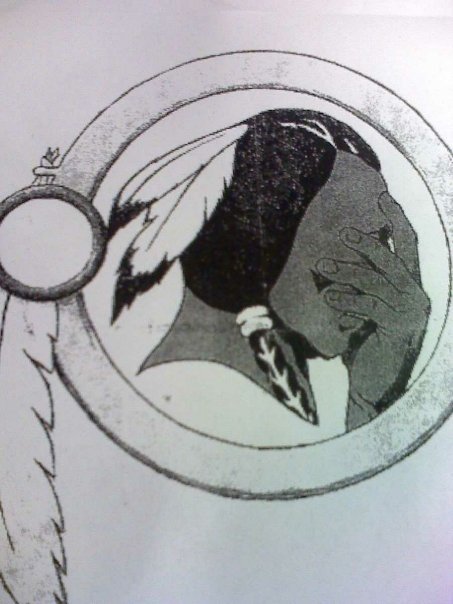
Kee-rist! The early 1970’s was absolutely the end of the 250-year epoch of goofing on Indians. I grew up in a Dallas suburb next to something called “The Reservation”, so-called because of streets called Arapaho, Cherokee, Mohawk, Seminole, and Commanche. Your classic White Man Move: Steal the real estate, chop down the trees, then name streets after them. And not just streets: The Washington Redskins. Think deeply about that one for a minute. Go ahead-I’ll wait.

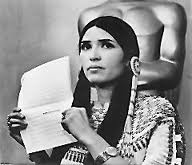
You back? Okay. The first I ever heard of taking a revisionist look at all this was the night goofy-ass Marlon Brando refused the Best Actor Oscar for his portrayal of don Vito Corleone. I (and all of America) watched with my jaw hanging open, as the announcer boomed out the winner, but, instead of Brando, up to the mic walked one Sacheen Littlefeather. She was, in my memory at least, dressed in traditional Indian princess garb, and she read a scripted complaint of the treatment of Indians in Hollywood. Wow. I mean WOW. Soon after, she appeared in a Playboy Pictorial which lives on in my mind seven presidents later. Remind me to Google her.


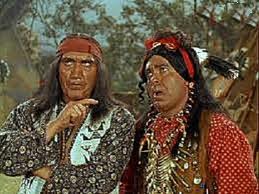
Just as Brando was first to the party with Method Acting, so he was ahead of the game on this deal, too. For it was a mere 15 years after Sacheen’s Playboy spread that I worked on a lavish film produced by Robert Redford, no less, which was ultimately scuttled,  on grounds that the film’s leading man contained insufficient quantity of Cherokee blood to satisfactorily portray the hero, Jim Chee. One minute, old Jewish comedians comprise the Heckahwee  Tribe on F-Troop (sample dialogue:”Where the Heckahwee?”),

 and the next minute, an actor has to submit to DNA profiling to play “Cowboys and Indians” in moving pictures.

I haven’t seen The Eagles live, but I’ll bet you five bucks that  we’ll see Henley in a Billy Preston afro again before you’d hear “Witchy Woman”.  I bet he still cashes those royalty checks, though.

If you MUST wear a hat…

By the time you’re old enough to play worth a damn, you probably have a proceeding forehead. Those of us who eschew hair dye, Trump plugs, and Ted Danson rugs usually end up in the hat store. 


“You men who wear hats to cover up the fact that you’re going bald; 
You know we know, right?” 
-Some Chick Comic


If you’re gonna do this, do this right. Your headgear decision has real-world consequences. You may end up as the object of the opposite sex’s silent scorn; and, remember, everyone in the audience has a cell phone camera, and digital photos last forever. 

Billy Gibbons Told Me a Secret

BILLY GIBBONS TOLD ME A SECRET
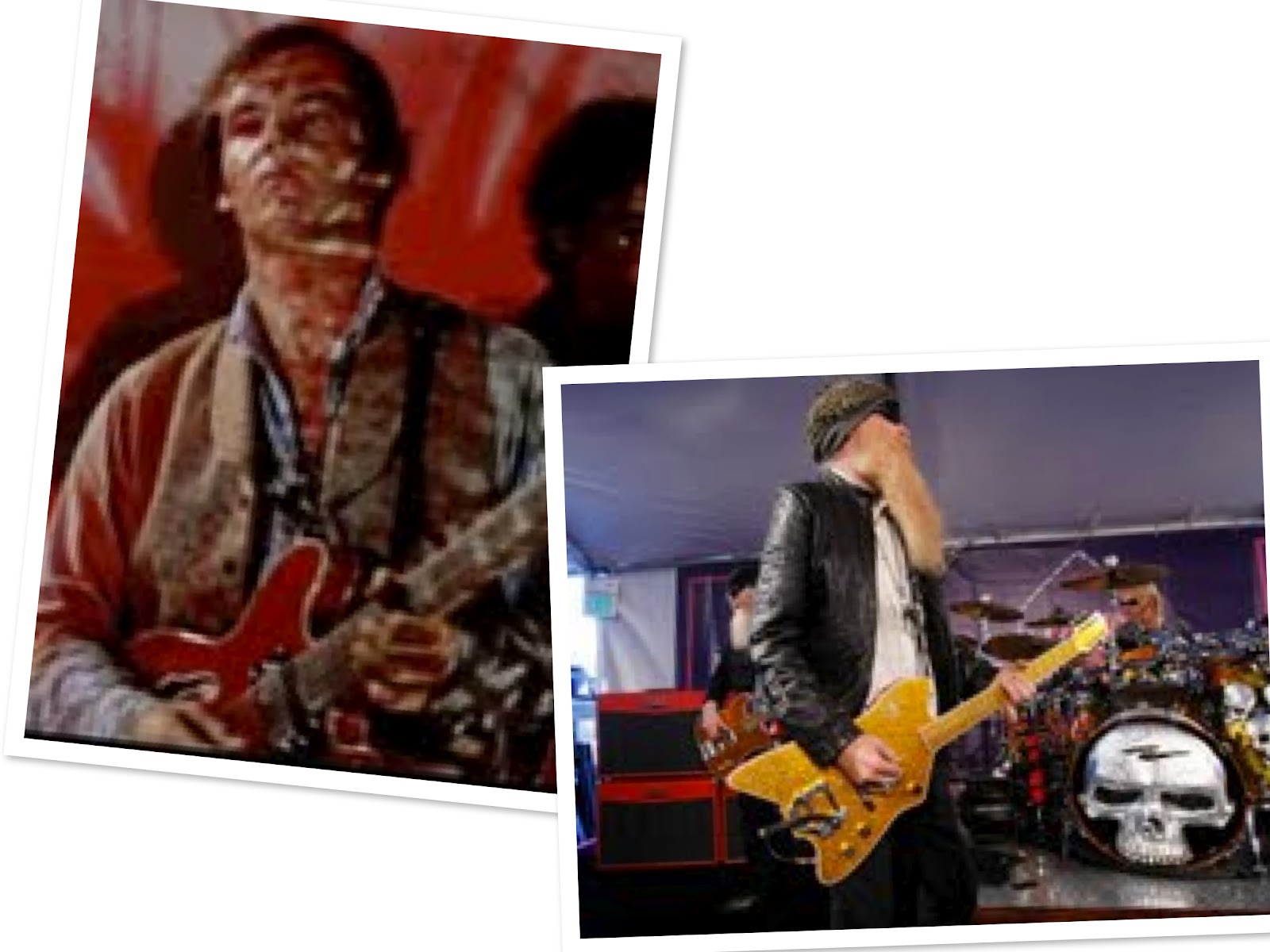
If Jack Nicholson played guitar, he’d be Billy Gibbons.

Monster talent, famous in every corner of the globe, funny, and mysterious. 

I’ve rubbed elbows with the man a few times. Our encounters were always unannounced. He moves and speaks quickly. At a guitar festival, or an industry event, a nightclub, a store… I found myself next to Rev. Willie, usually answering questions. He asks a lot of questions. Just as suddenly, like the Scirocco desert wind: GONE. He has good Texas manners. He is polite to his wife, and introduces her proudly. He was WONDERFUL with my little daughter; funny and inclusive.
WARNING: GUITAR CONTENT
If the minutiae of Les Pauls holds no charm for you, best move along. 
Billy Gibbons told me a secret about Pearly Gates, a beautifully-figured sunburst 1959 Les Paul Model (It says “Model” on the headstock, not “Standard”) the world’s most-famous and best-sounding “‘Burst”. It’s a guitar which has its own capacious bedroom in a mansion in Houston’s tony River Oaks. George Gruhn, a towering authority in the vintage guitar world, opines that Billy’s “Pearly” initiated the return of the Les Paul to the music world’s main stage. (No Les Paul Standards were made from 1961-1967) 

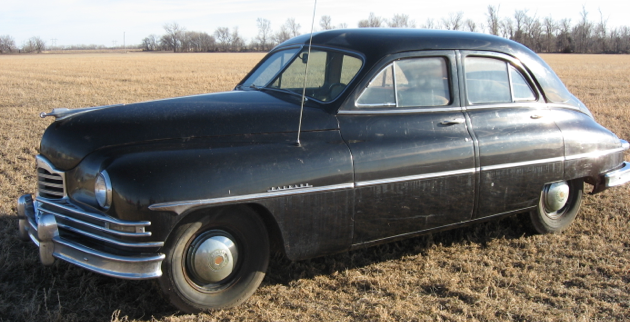
In the mid 1960s, his band traveled in some big ol’ Packard. That’s already the coolest thing I’ve ever heard. 


He “loaned” the car to a girlfriend who had to travel from Texas to a Los Angeles movie audition. She landed the gig, sold the car (Which, somewhere in all this, got named “Pearly Gates”) and sent the dough back to Houston, ON THE VERY DAY  that Billy found some  farmer selling a minty ’59 “Burst”, still sporting old-fashioned flat-wound strings and all the paperwork. $250, done deal, they transferred the name “Pearly” to the guitar. 
Cue music: La Grange
 Dissolve to me , Billy, and Billy’s wife, Gilligan, (“Billy and Gilly”, he smiled) standing in front of a row of vintage Les Pauls, in a store on Sunset Boulevard. 
PAUSE TO SET UP THE PUNCHLINE 
(You Know. The “SECRET.” Stay with me.)
Armies of electric blues/rock guitarists have sought Billy’s tone, usually by reading interviews of The Man. Billy’s a funny guy. Like many beset celebs, he takes pleasure in sometimes providing silly, misleading answers to the press. He uses a quarter for a pick. Or a Peso. Or a ground-down Peso. Yeah, that’s the ticket!
Verbal obfuscation aside, pictures of the guitar certainly show he does something funny with the strings. 


Many theorize the reduced bearing pressure helps get that sound. Much debate persists. 
Back to our scene… Gilly is asking me questions about the Les Pauls. We’ll leave aside the fact that Billy Gibbons is standing with us, but she’s asking ME. I guess marriage is the same everywhere. 
There was an early Tune-O-Matic-equipped Goldtop, with an astronomical price tag, about which Gilly expressed shock.
I said, “Well, that old wraparound system I showed you was being phased out, and this is a super-early Tune-O-Matic. 
And she asks… “SO… NOBODY would EVER wrap the string around the Tune-O-Matic’s stoptail?
I picked my words carefully. Casting my gaze at Billy, I said “Well, SOME people might.”
Billy shrugged, palms up, and said, 
“Hey-that’s the way it came when I bought it”. 
        Cue music, trumpet, “Wah-wah-waaaaaaaaaaaah”

Mystery solved.
Pearly’s original owner, some anonymous, fiddle-scrapin’-hay shaker had probably traded his earlier wraparound Paul for the Tune-O-Matic-equipped ‘Burst, and installed the strings “wrong” from force of habit, and the quirk gets credited to Billy. To say nothing of setting off decades of debate among players, techs, and luthiers.
What do people who DON’T worry about this stuff DO with their lives?

The Fabulous 50s: From the Frying Pan to the Flying V


The Fabulous Fifties: From the (Rickenbacher) Frying Pan to The Flying V
 
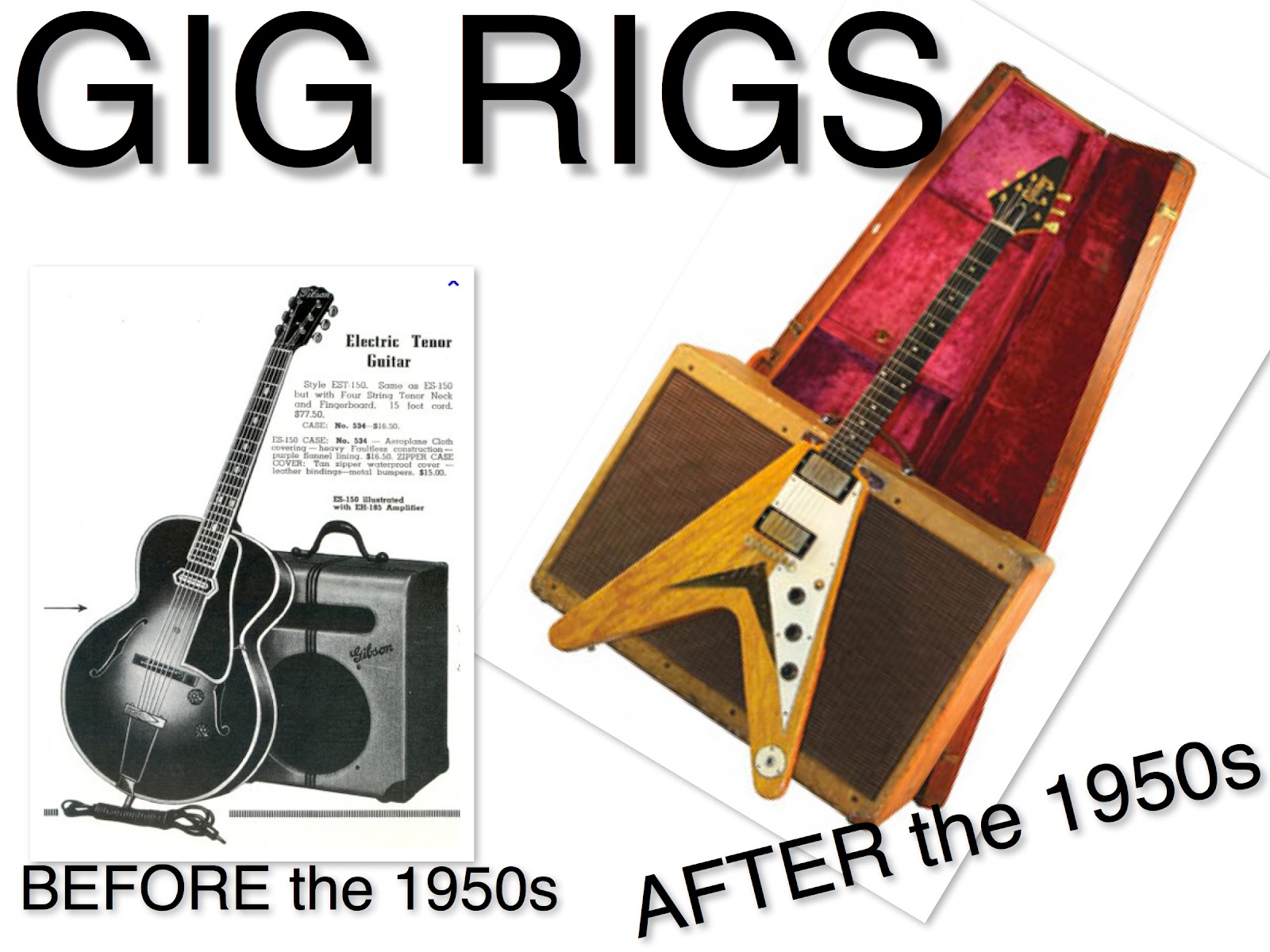
So this guy walks in to a music store, January, 1950. He’s got a big gig coming up, playing in a cafetorium. Assuming the store has a selection of the latest and greatest, what are the options for a rig?
   Telecaster? Ain’t got no. Stratocaster? Not for another 4 years. Les Paul? Great player, but there’s no such guitar. Think he uses an Epiphone, Gibson’s big rival. So… maybe a lap steel? Or, if you’re rich, there’s Gibson’s new ES-5, but prepare to wait 5 years for Seth Lover to “Apply For “the
famous “Patent”. Rumor has it that Slingerland has built some solidbodies, whatever those are.
   AMPS? The news is a bit better, here, with a few hepcats the big, bad, 25w “Dual Professional” from Doc Kauffman’s partner, Clarence Leo Fender, over at the radio shop. For the most part, though, it’s a world of metal-tubes, Class A, single puny speakers (field transformer speakers; those fancy magnet jobs are just coming on) , with scarcely enough decibels to cause a ruckus in a public library.
 
At the show that night, our hero slobbers on an ungrounded mic, and his skeleton lights up like a cartoon. He finally comes to, in a hospital bed, only now it’s December 31st, 1959. He groggily requests to be taken to a music store, reasoning that it’s new Year’s Eve, so he MUST have a gig.
 
WHAT THE…?
 
Gold Tops are cheap and out-of-production. The store is blowing out the new ‘Bursts for $200, since, once again, they didn’t sell at Christmas. The new ES-335 cured the feedback problems created my the deafening roar of the 4-tube, class A/B Tweed Twin. Esquires, Broadcasters, NoCasters, Telecasters,Stratocasters, MusicMasters,  Jazzmasters, Flying Vs, Explorers, Melody Makers, Juniors, Specials, TVs, Round-Ups, 6120s,… and, now, Leo’s Orange County rival, Rickenbacker, is sending a few electric guitars to Liverpool, England. Hey, you never know.
 
WHAT HAPPENED WHILE OUR MAN SLEPT?

Hank died. Elvis and Buddy emerged, fully formed, from the forehead of Zeus. Bands got smaller, more peripatetic, and WAY louder. Yeah, there were electric guitars before and after the Decade of the Tailfin. And a whole population of players can’t live without Marshall designs from the mid-to-late 1960s. But for 90% of serious guitarists, nothing beats a Tele, Strat, Paul, or 335 To THIS DAY.

Was it a latter-day rennaissance? A concatonation of “Greatest Generation” ingenuity meets the freewheeling demands of The Atomic Cafe Baby Boomers? Yes, combined with irreplacable timbers, irreplacable luthiers, the Darwinian winnowing out of inferior specimens. We are stewards of a finite supply of the American Stradivarius.

Cadillac Tailfins: American Apotheosis

CADILLAC TAILFINS: AMERICAN APOTHEOSIS

“Eureka!” exclaimed Archimedes. 

The ancient greek scholar stepped into the bathtub, saw the water level rise, and thus understood the principle of displacement. Folks say the old boy went streaking through Syracuse in a burst of enthusiasm. 

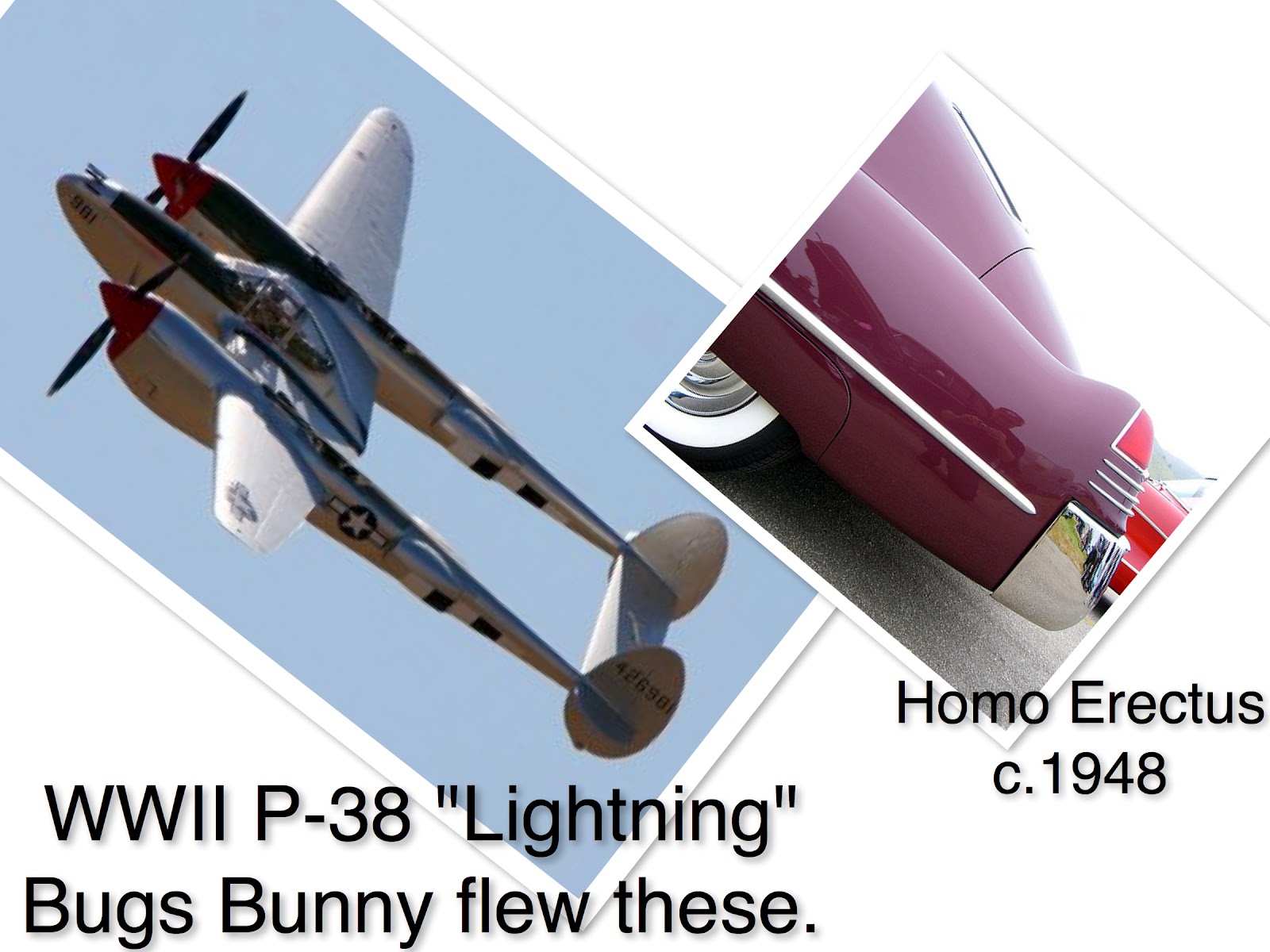
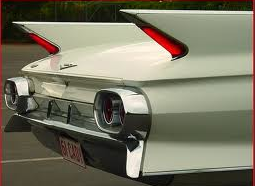
History doesn’t tell us where GM designer Harley Earl was at the moment he realized that the tailfin from a P38 Lightning might look cool on a Cadillac.


From 1948 to 1964, Cadillacs had tailfins.


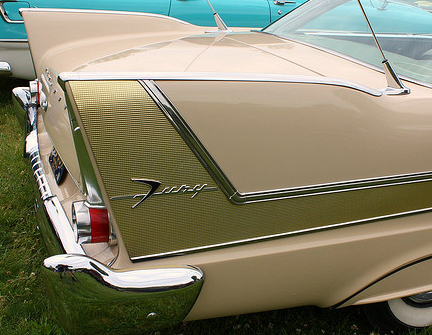
The marketing guys at Plymouth informed 1950s yokels, er, customers that fins like this… 


        …were no mere folderol, but, rather “Stabilizers”, reducing the need for steering correction during crosswinds by exactly 20%. Exactly. So there. 

The most casual car buff knows that the ’59 Caddy Tailfin is regarded as the high watermark.

I boldly disagree. In ‘61/’62, Caddies sported the “Twin Fin” look. Two fins up top, two on the bottom. 

Four fins; talk about stable

1965: ANNUS HORRIBILIS (WARNING: GUITAR CONTENT) 

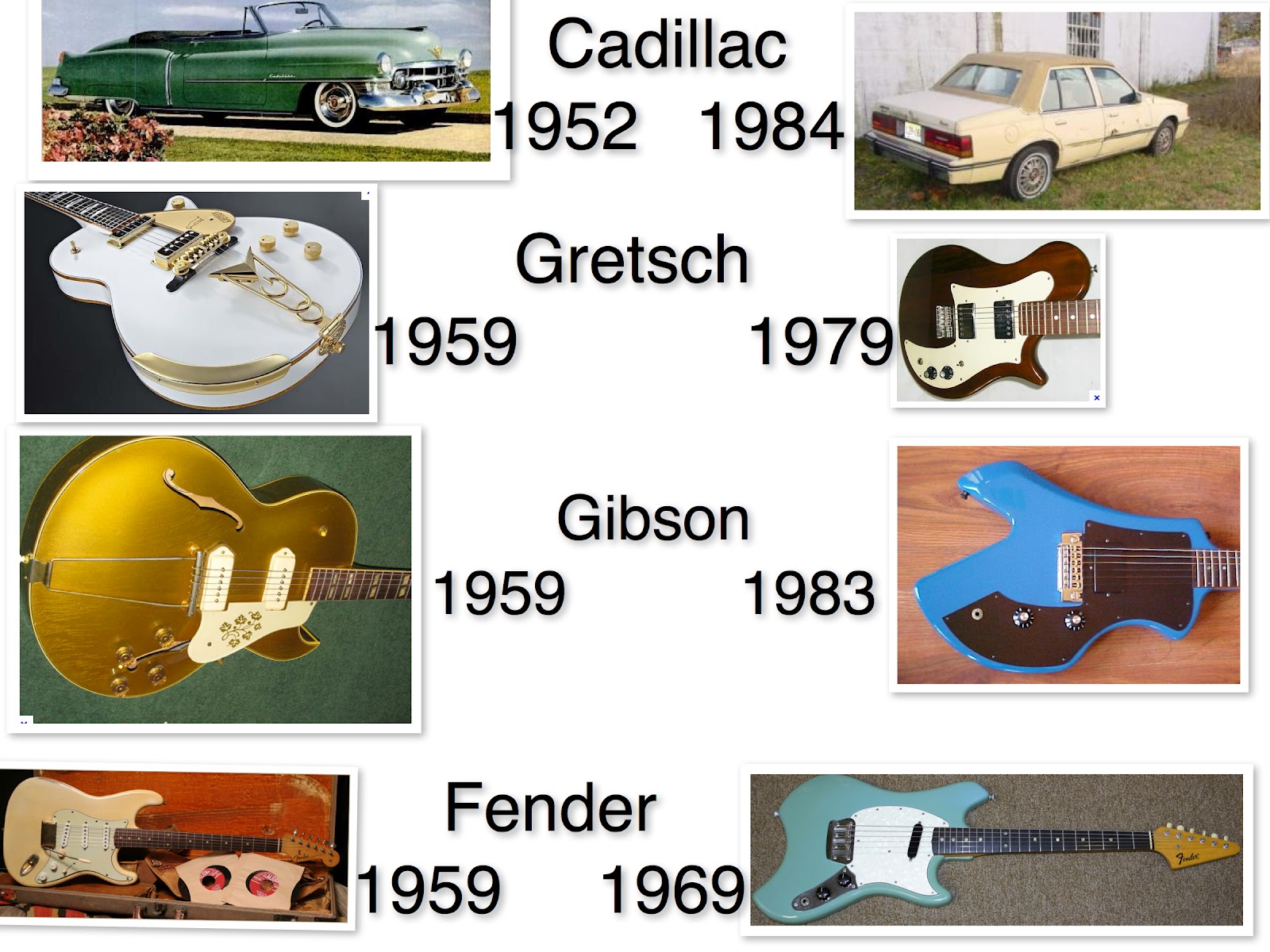
The two things in life which matter most, Caddy Tailfins and Cool Guitars, sure took it in the pants in 1965.

Leo Fender sold his company to a bunch of bean counters. 

Gibson decided that the wave of guitar-buying kids would prefer skinny guitar necks. 

Cadillac pulled the plug on the tailfin. 

The crap-slingers from Plymouth division had warned us about destabilization.

These things don’t happen in a vacuum; nor is Rome unbuilt in a day. And I know of no antonym for “Eureka”.


What can an average citizen do in such an emergency?

The second or third time I spent $200 replacing the little plastic coolant tank on my new Chrysler, I resolved to buy me some old Detroit iron.

Happily, the WWII vets who went into postwar auto manufacturing only knew one way to build a thing: With LOTS of steel.

In the Southwest, where I live, there is a supply of healthy old Land Yachts, and enough hard-headed enthusiasts to “Keep the old ones running”. 

       See my Facebook group “Cadzilla Lives!!!” for the saga as it unfolds. 

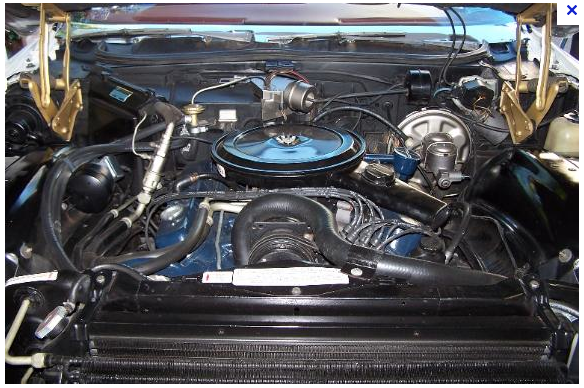
I think Archimedes would appreciate 472 cubic inches of displacement